
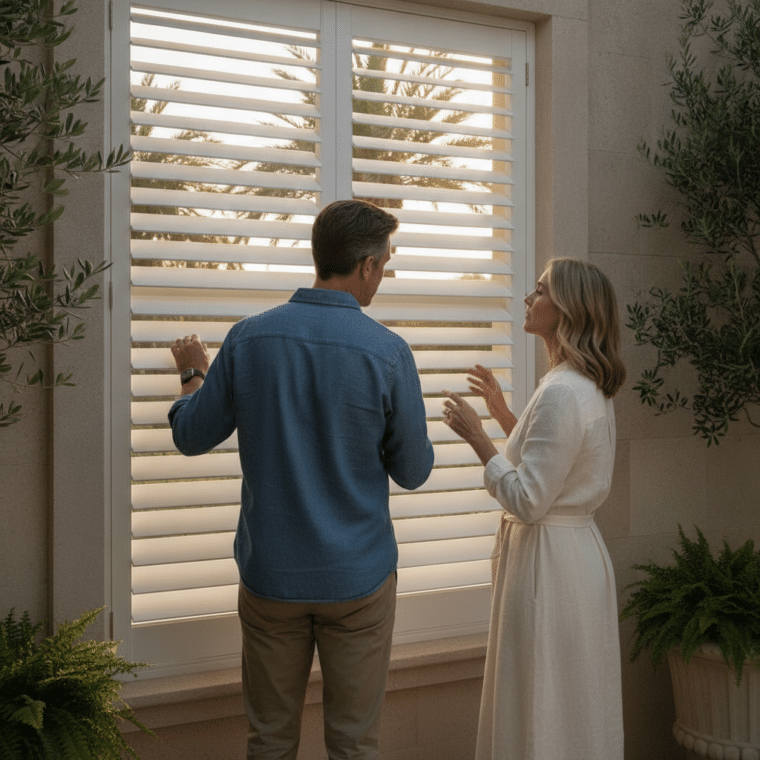
What Are Split Tilt Plantation Shutters and Do You Need Them?
For Sydney homeowners, finding the perfect balance between abundant natural light and essential privacy is a constant pursuit. Window furnishings play a pivotal role in achieving this, and among the myriad options, plantation shutters stand out for their elegance and functionality. Specifically, split tilt plantation shutters offer a unique advantage, providing an unparalleled degree of control that makes them a highly practical choice for many Australian homes.
This comprehensive guide will delve into what split tilt plantation shutters are, explore their core benefits, and help you determine if they are the ideal solution for your home’s light control and privacy needs.
What Exactly Are Split Tilt Plantation Shutters?
At first glance, split tilt plantation shutters may look similar to standard plantation shutters. The key difference, however, lies in their ingenious design: instead of a single tilt rod controlling all the louvres (slats) in a panel, split tilt shutters feature two independent tilt rods. This means the louvres in the top section of the shutter panel can be operated completely separately from the louvres in the bottom section.
Imagine a single shutter panel divided horizontally, either visibly with a mid-rail or invisibly, allowing the upper and lower halves to function independently. This dual control mechanism is what gives split tilt shutters their exceptional versatility, offering a level of light and privacy management that traditional full-tilt shutters simply cannot match.
The Core Benefit: Unparalleled Light Control and Privacy
The independent operation of the upper and lower louvres is where split tilt plantation shutters truly shine, particularly for homes requiring flexible solutions for light and privacy.
Tailored Privacy for Street-Facing Rooms
Sydney’s urban landscape often means homes are in close proximity to neighbours or busy streets. For street-facing living rooms, ground-floor bedrooms, or even bathrooms, maintaining privacy without sacrificing natural light can be a challenge. Split tilt shutters offer the perfect solution:
- You can keep the lower section of the louvres completely closed, blocking views into your home from passers-by.
- Simultaneously, the upper section of the louvres can be tilted open to allow sunlight to stream in, illuminating your room without compromising your personal space. This is particularly effective during the day when you want brightness but not prying eyes.
Optimising Natural Light Without Glare
The Australian sun can be intense, and while natural light is desirable, direct glare can be uncomfortable and damaging to furnishings. Split tilt shutters allow you to precisely manage sunlight:
- If the sun is low in the sky, you can angle the upper louvres to direct light upwards or diffuse it, while keeping the lower section closed to prevent glare on screens or furniture.
- Conversely, on an overcast day, you might open the upper louvres wide to maximise available light, while keeping the lower section slightly angled to maintain a sense of enclosure.
This precise control helps protect your interior from harsh UV rays, reducing fading of carpets, artwork, and furniture, all while maintaining a bright and inviting atmosphere.
Enhancing Comfort in Bedrooms and Bathrooms
In bedrooms, the ability to control light and privacy independently is invaluable. You might want to wake up to gentle morning light filtering through the top section, while the lower section remains closed for privacy. In bathrooms, where privacy is paramount, split tilt shutters allow for ventilation and some natural light through the top, while ensuring complete seclusion below.
Why Split Tilt Matters for Sydney Homes
Sydney’s climate, lifestyle, and housing density make split tilt plantation shutters an especially practical choice for local homeowners.
Many Sydney residences, from terrace houses to modern apartments, feature windows that directly face neighbours or public areas. The need to maintain privacy while still enjoying natural light is a daily consideration. Split tilt shutters provide that crucial flexibility, adapting to your needs throughout the day.
Furthermore, Sydney experiences varying sun angles throughout the year. In summer, the sun can be high and intense, requiring careful light management to prevent overheating. In winter, a lower sun angle might mean more direct glare. Split tilt shutters empower you to adjust to these seasonal changes with ease, helping to regulate indoor temperatures and reduce reliance on air conditioning or heating.
For those with open-plan living areas, split tilt shutters can help define zones without completely closing off a space. You can enjoy a bright kitchen while maintaining a degree of privacy in an adjacent living area, all within the same window treatment.
Material Matters: Choosing the Right Shutter for Your Home
The material of your plantation shutters significantly impacts their durability, appearance, and suitability for different areas of your home. When considering split tilt shutters, the material choice remains a critical decision.
PVC Plantation Shutters: Durability and Versatility
PVC (Polyvinyl Chloride) shutters are an excellent choice for areas exposed to moisture or high humidity, such as bathrooms, laundries, and kitchens. They are highly resistant to warping, cracking, and fading, making them exceptionally durable and easy to clean. For Sydney homes, particularly those near the coast or with poorly ventilated wet areas, PVC offers a practical, long-lasting solution that still provides all the benefits of split tilt privacy and light control. They are also a more budget-friendly option compared to timber. For a detailed comparison, consider reading about PVC vs Timber Plantation Shutters.
Basswood Plantation Shutters: The Classic Choice for Interiors
Basswood is a premium timber known for its lightweight nature, fine grain, and excellent stability. It is a popular choice for interior plantation shutters due to its natural beauty and ability to be painted or stained to match any decor. Basswood shutters offer superior insulation properties, helping to keep your home cooler in summer and warmer in winter. They are ideal for living rooms, dining rooms, and bedrooms where aesthetics and a natural feel are highly valued. While generally more expensive than PVC, their timeless appeal and durability make them a worthwhile investment.
Considering Budget and Maintenance
When selecting materials, it’s wise to weigh the initial cost against long-term durability and maintenance. PVC shutters typically require less upkeep, needing only a wipe down with a damp cloth. Basswood shutters, while durable