
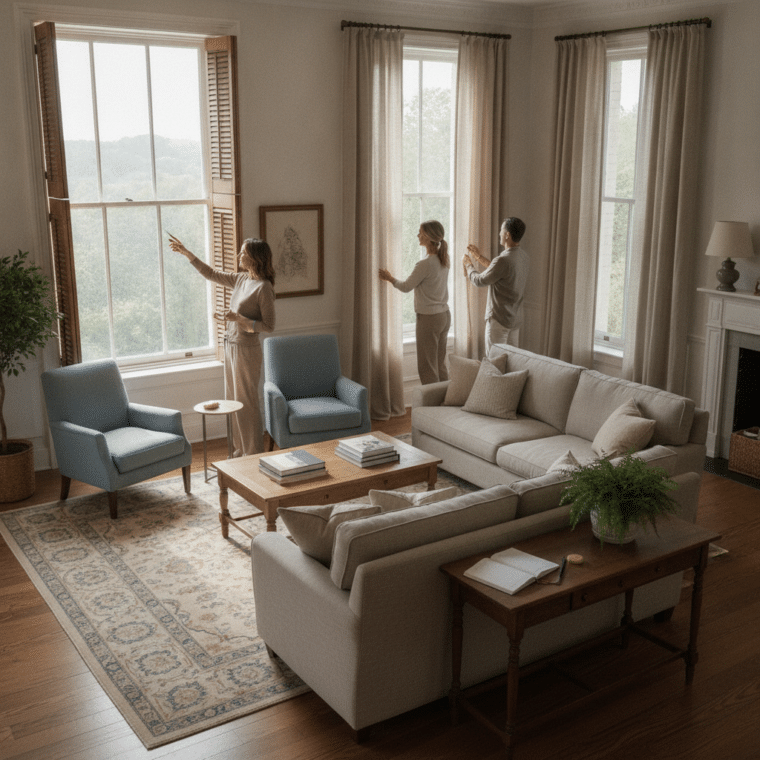
Understanding Sydney’s Sun and Its Impact
Sydney homeowners are intimately familiar with the brilliant, often intense, Australian sun. While it brings warmth and light, its powerful ultraviolet (UV) rays pose a significant threat to your home’s interior. Protecting your furniture, flooring, and artwork from sun damage isn’t just about preserving their appearance; it’s about maintaining their longevity and value.
The Sydney Sun: A Double-Edged Sword
Sydney’s climate is renowned for its abundant sunshine, contributing to our vibrant outdoor lifestyle. However, this same sun, particularly during the warmer months, can be relentlessly harsh. The sun’s path across the sky changes dramatically throughout the year. In summer, the sun rises earlier, sets later, and tracks a higher arc, meaning direct sunlight penetrates deeper into your home for longer periods. In winter, the sun sits lower, casting longer shadows but still delivering significant UV exposure, especially during midday.
Understanding these seasonal and daily variations is the first step in effective sun tracking. East-facing windows will experience intense morning sun, north-facing windows receive consistent light throughout the day, west-facing windows bear the brunt of the harsh afternoon heat, and south-facing windows tend to receive more indirect, ambient light.
The Damage UV Rays Inflict on Your Home
The primary culprit behind interior damage is ultraviolet (UV) radiation. Even through glass, UV rays can cause irreversible harm. Over time, exposure leads to:
- Fading and Discolouration: Fabrics on sofas, rugs, curtains, and even clothing stored in sunlit rooms can fade dramatically, losing their original vibrancy. Timber furniture and flooring can lighten or darken unevenly.
- Material Degradation: UV rays break down the chemical bonds in materials, leading to brittleness, cracking, and weakening. Leather can dry out and crack, plastics can become brittle, and certain finishes can peel or blister.
- Heat Build-up: Direct sunlight significantly contributes to internal heat gain, forcing your air conditioning system to work harder, leading to higher energy bills.
- Damage to Artwork and Photos: Precious artworks, photographs, and even books can suffer irreparable damage, with colours fading and paper becoming brittle.
Proactive sun protection is therefore essential, not just for aesthetics but for the structural integrity and comfort of your home.
The Role of Shutters in Sun Protection and Light Control
While curtains and blinds offer some protection, plantation shutters stand out as a superior solution for precise sun tracking and interior preservation. Their unique design offers unparalleled control over light, heat, and privacy.
Why Plantation Shutters are Ideal for Sun Tracking
Plantation shutters are distinguished by their adjustable louvers (slats), which are the key to their effectiveness in sun tracking. Unlike fixed window coverings, shutters allow you to:
- Precisely Redirect Sunlight: By tilting the louvers, you can deflect direct sunlight upwards towards the ceiling or downwards, preventing it from hitting your furniture and flooring directly, while still allowing ambient light to filter into the room.
- Maintain Views with Protection: You don’t have to completely close off your windows to protect your interiors. A slight tilt of the louvers can block harsh glare and UV rays while preserving your view of the garden or cityscape.
- Adapt to Daily and Seasonal Changes: As the sun moves across the sky or as seasons change, you can easily adjust the louver angle to maintain optimal protection and light levels. This dynamic control is invaluable for Sydney’s varied sun exposure.
- Control Glare: Beyond UV protection, shutters excel at reducing uncomfortable glare, making rooms more comfortable for reading, watching TV, or working on computers.
This level of control makes plantation shutters an intelligent, long-term investment for any Sydney home.
Material Matters: Choosing the Right Shutters for Sydney Conditions
The material of your shutters plays a crucial role in their durability, appearance, and overall effectiveness against the Sydney sun. When selecting shutters, consider the specific needs of each room and its sun exposure:
- PVC Shutters: Highly durable, moisture-resistant, and excellent for areas with high humidity or direct water exposure (like bathrooms or kitchens). PVC shutters are often engineered with UV inhibitors, making them incredibly resistant to fading, warping, and cracking, even under intense Sydney sun. They are a practical, low-maintenance choice for high-traffic or sun-drenched rooms.
- Timber Shutters (e.g., Basswood): Offer a classic, natural aesthetic that can add warmth and character to any room. Quality timber shutters are typically finished with durable paints or stains that provide a protective layer against UV rays. They also offer good insulation properties. However, in areas of extreme humidity or direct water exposure, timber may require more careful consideration than PVC.
- Aluminium Shutters: Primarily used for outdoor applications, aluminium shutters are exceptionally robust, secure, and resistant to all weather conditions, including harsh UV. While not typically installed inside for sun tracking of furniture, they are relevant for external sun protection, shading patios or balconies.
For a detailed comparison to help you decide, explore the differences between PVC vs Timber Plantation Shutters.
Beyond Protection: Insulation and Privacy Benefits
The advantages of plantation shutters extend beyond just sun protection:
- Thermal Insulation: Shutters create an insulating barrier between your windows and your home’s interior. In summer, they help block heat transfer, keeping your home cooler. In winter, they reduce heat loss, contributing to a warmer indoor environment. This thermal efficiency can lead to noticeable savings on your energy bills.
- Enhanced Privacy: With adjustable louvers, you can control visibility into your home without completely sacrificing natural light. Tilt the louvers upwards for privacy from below, or downwards for privacy from above, while still allowing light and airflow. This is particularly useful for ground-floor windows or bedrooms.
- Noise Reduction: The solid construction of shutters can also help to dampen external noise, contributing to a quieter, more peaceful indoor environment.
Practical Strategies for Sun Tracking and Shutter Adjustment
Effective sun tracking with your shutters is a simple, yet powerful habit that can significantly extend the life of your home’s furnishings and improve its comfort. It requires a bit of observation and consistent adjustment.
Observing the Sun’s Path Throughout the Day
Before you can effectively track the sun, you need to understand its movement relative to your home. Spend a week observing how the sun hits each of your windows at different times of the day and how this changes from morning to afternoon. Pay attention to:
- Angle of Sunlight: Is the sun coming in directly, or at a steep/shallow angle?
- Intensity: How strong is the glare and heat?
- Duration: How long does direct sunlight hit a particular area?
- Seasonal Shifts: Note how the sun’s path differs in summer compared to winter. The summer sun is higher and more intense, while the winter sun is lower but can still cause significant glare and heat gain if not managed.
This observation will inform your daily and seasonal shutter adjustment routine.
Mastering Louver Adjustment for Optimal Protection
The beauty of plantation shutters lies in their versatility. Here’s how to adjust them for maximum protection:
- Deflecting Direct Sun: For windows receiving direct sunlight, especially during peak hours, tilt the louvers upwards. This directs the harsh sun rays towards the ceiling, where they are diffused, preventing them from hitting your furniture directly. You’ll still get ambient light, but without the damaging UV and intense glare.
- Maximising Privacy and Blockout: If privacy is paramount, or you want to block out almost all light (e.g., in a bedroom), tilt the louvers downwards, overlapping them to create a near-solid barrier.
- Allowing Diffused Light: For softer, indirect light, adjust the louvers to a 4