
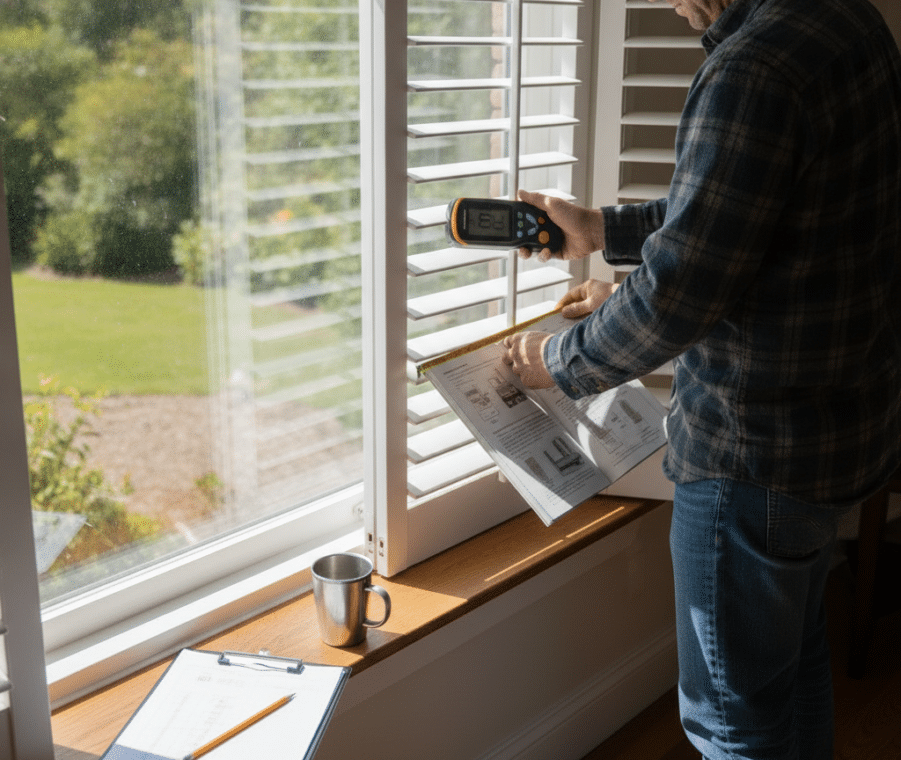
Understanding the R-Value: Just How Energy Efficient Are Shutters?
For Sydney homeowners, managing household energy consumption is a constant consideration. With our beautiful but often intense climate, keeping homes comfortable without breaking the bank on power bills is a top priority. When it comes to window coverings, many look for solutions that offer more than just aesthetics and privacy – they want genuine energy efficiency. This is where understanding the R-value, particularly in relation to plantation shutters, becomes incredibly valuable.
What is R-Value and Why Does It Matter for Your Sydney Home?
The R-value is a fundamental concept in insulation, acting as a crucial indicator of a material’s ability to resist heat flow. In simple terms, a higher R-value means better insulation. For your home, this translates directly into how well your living spaces can maintain a comfortable temperature, regardless of what the weather is doing outside.
The Basics of Thermal Resistance
Thermal resistance, or R-value, quantifies how effectively a material or a combination of materials can prevent heat from passing through it. When we talk about heat flow, we’re referring to the natural tendency for heat to move from warmer areas to cooler areas. In summer, this means heat trying to get into your air-conditioned home from the scorching outdoors. In winter, it’s your valuable indoor warmth attempting to escape into the chilly Sydney air.
Windows are often the weakest link in a home’s thermal envelope, allowing a significant amount of heat transfer. This is why the insulation properties of your window coverings are so important. A higher R-value in your shutters means they are more effective at creating a barrier, keeping unwanted heat out in summer and precious warmth in during winter. This directly impacts your reliance on air conditioning and heating, leading to noticeable savings on your energy bills.
How External Factors Influence Your Home’s Thermal Performance
Sydney’s climate presents unique challenges for homeowners. Our summers are known for their hot, often humid days, where solar heat gain through windows can quickly turn a comfortable room into an oven. Conversely, while our winters are milder than some parts of Australia, they still bring cool nights and mornings, necessitating heating to maintain comfort.
Windows, especially those facing east or west, are particularly susceptible to solar radiation. Without adequate protection, they become conduits for heat. This is where well-chosen window coverings, like plantation shutters, step in. By providing an effective barrier, they can significantly mitigate these external influences, stabilising your home’s internal temperature and reducing the workload on your HVAC systems. This proactive approach to insulation is not just about saving money; it’s about creating a more consistently comfortable and liveable home environment all year round.
The R-Value of Plantation Shutters: A Deep Dive into Energy Efficiency
Plantation shutters are often lauded for their aesthetic appeal and durability, but their role in improving your home’s energy efficiency is equally significant. Their solid construction and unique design make them excellent insulators, contributing positively to your home’s overall R-value.
Understanding Shutters as Insulators
Unlike thin curtains or blinds, plantation shutters offer a substantial physical barrier. The solid material of the shutter panels themselves provides a degree of thermal resistance. However, a significant part of their insulating power comes from the air pockets they create. When closed, shutters trap a layer of air between the window pane and the shutter panel. This trapped air acts as an additional insulating layer, slowing down the transfer of heat.
This multi-layered approach – solid material plus trapped air – makes shutters far more effective at insulation than single-layer fabric curtains or venetian blinds, which often allow air to circulate more freely, reducing their thermal performance. The result is a more stable indoor temperature and reduced energy consumption for heating and cooling.
Material Matters: How Different Shutter Types Impact R-Value
The type of material used in your plantation shutters plays a crucial role in their insulating properties and overall R-value. Each material offers a different set of benefits and thermal performance characteristics.
- Timber Shutters: Natural timber, such as Basswood, is an inherently good insulator. Its cellular structure naturally resists heat transfer. Denser timbers generally offer better insulation. Beyond their R-value, timber shutters also add a timeless warmth and natural aesthetic to any Sydney home.
- PVC/Polyvinyl Shutters: Often constructed with a hollow core, PVC shutters are excellent insulators. The air trapped within these hollow chambers significantly boosts their R-value, similar to how double-glazed windows work. They are also highly resistant to moisture, making them a practical choice for bathrooms and kitchens, or homes in humid coastal areas. For a detailed comparison, you can explore PVC vs Timber Plantation Shutters: Which is Best for Your Home?
- Aluminium Shutters: While primarily designed for outdoor use due to their strength and weather resistance, outdoor aluminium shutters also offer a degree of thermal protection by blocking direct sunlight before it even reaches the window. However, for internal R-value, they are generally less effective than timber or PVC.
- MDF Shutters: Medium-density fibreboard shutters are a budget-friendly option. While they offer some insulation due to their solid form, their R-value is typically lower than that of high-quality timber or well-constructed PVC shutters.
Design and Installation: Maximising Your Shutter’s Thermal Benefits
Even the best insulating material won’t perform optimally if the shutters aren’t designed and installed correctly. A snug fit is paramount. Gaps around the edges of the shutter panels or frames allow air to leak, compromising the insulating barrier. Custom-made shutters that precisely fit your window openings are essential for maximising their R-value.
The design of the louvers also contributes. When closed, well-fitting louvers create a tight seal, further trapping air and enhancing insulation. The ability to tilt the louvers allows you to manage light and airflow without fully opening the shutters, meaning you can still control solar heat gain while enjoying some natural light. Full-height shutters generally provide the most comprehensive insulation for an entire window, while café style shutters can offer targeted insulation for the lower portion, allowing light in from above.
Beyond R-Value: Other Energy Efficiency Benefits of Shutters
While R-value is a key metric, plantation shutters offer a suite of other benefits that contribute to a more energy-efficient and comfortable home environment.
Superior Light and Glare Control
One of the most practical advantages of plantation shutters is their unparalleled ability to control light. The adjustable louvers allow you to precisely manage the amount of sunlight entering a room. This means you can block harsh glare and direct sunlight during peak hours, significantly reducing solar heat gain in summer without plunging the room into total darkness. By diffusing light, shutters can create a softer, more consistent illumination, reducing the need for artificial lighting and protecting your furniture and flooring from harmful UV rays.
Airflow Management and Ventilation
Shutters offer a unique balance between privacy, security, and ventilation. You can open your windows to allow fresh air to circulate, then adjust the shutter louvers to direct airflow while still maintaining a degree of privacy. This is particularly beneficial on those pleasant Sydney days where you want to enjoy a breeze without fully exposing your home, helping to cool your home naturally and reducing reliance on air conditioning.
Sound Insulation (Acoustic Benefits)
The solid construction of plantation shutters also provides a noticeable improvement in sound insulation. They act as a barrier against external noise, whether it’s traffic, neighbours, or general urban sounds. This acoustic benefit contributes to a quieter, more peaceful indoor environment, enhancing overall home comfort and making your living spaces more serene. For more information, you can read about Do Heavy Plantation Shutter Materials Provide Better Soundproofing?
Durability and Longevity
Investing in plantation shutters is a long-term decision. Unlike many other window coverings that may need frequent replacement due to wear and tear, shutters are built to last. Their robust construction ensures they withstand the test of time, offering consistent performance and aesthetic appeal for many years. This durability means less waste and a more sustainable choice for your home, adding to their overall value proposition.
Making the Smart Choice for Your Sydney Home
For Sydney homeowners seeking a practical, budget-conscious, and aesthetically pleasing solution to improve their home’s energy efficiency, plantation shutters are an outstanding choice. They offer a tangible improvement in insulation, directly contributing to lower heating and cooling costs by enhancing your home’s R-value. Beyond the numbers, they provide superior light control, facilitate better airflow, offer sound insulation, and represent a durable, long-lasting investment.
When considering window coverings, think beyond mere decoration. Think about how they perform as part of your home’s thermal envelope. Plantation shutters offer a sophisticated blend of style and substance, making them a smart and sustainable choice for modern Australian living. To see examples of their application and explore options for your home, browse our range of Products or view some of our past Our Work.
Frequently Asked Questions About Shutter R-Value
What is a typical R-value for plantation shutters?
The exact R-value for plantation shutters can vary depending on the material, thickness, and how tightly they fit the window. While specific industry-standard R-values for shutters alone are not as commonly cited as for walls or roofs, well-fitted, solid timber or PVC plantation shutters can significantly improve the overall R-value of a single-pane window system. They effectively add an insulating layer, often comparable to adding a second pane of glass, dramatically reducing heat transfer.
Do plantation shutters really make a noticeable difference to energy bills?
Absolutely. By creating an insulating barrier, plantation shutters reduce the amount of heat escaping in winter and entering in summer. This lessens the workload on your air conditioning and heating systems, leading to a tangible reduction in energy consumption and, consequently, lower electricity bills. Home