
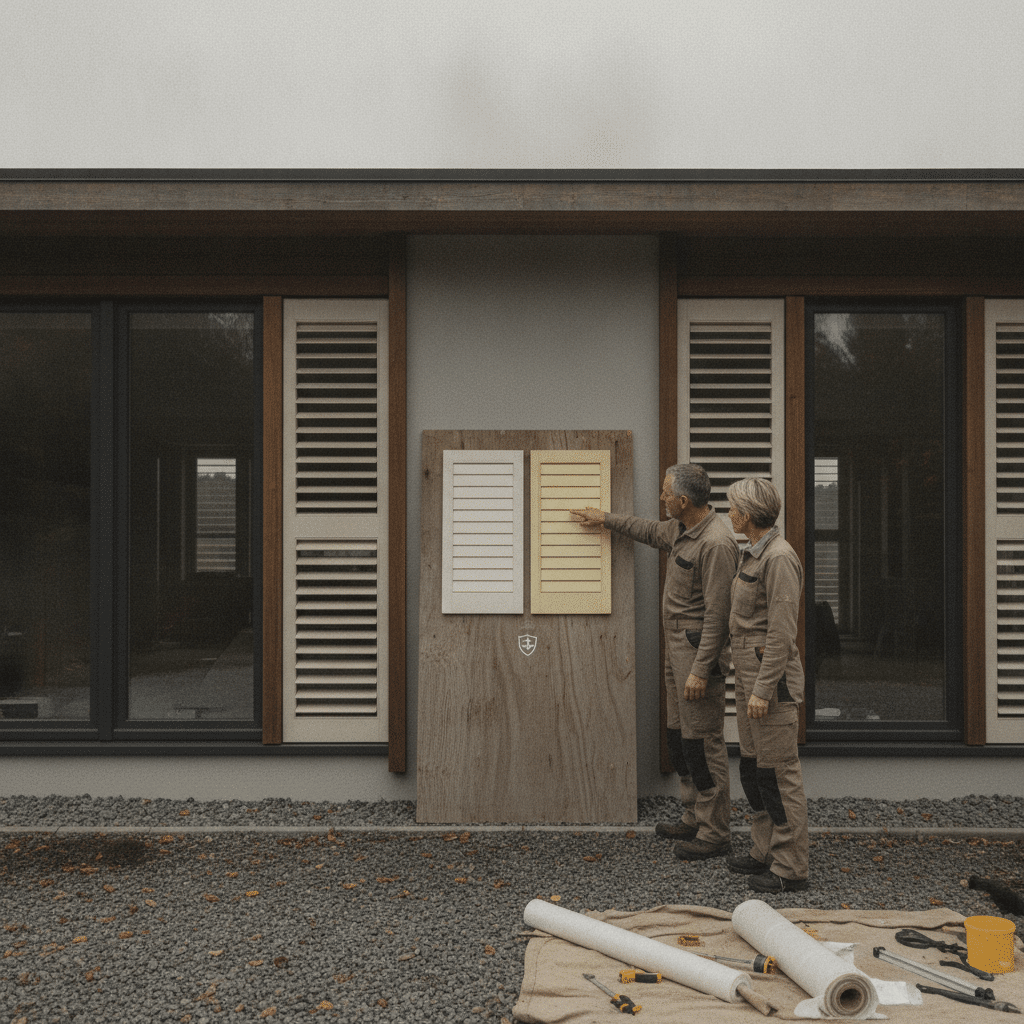
Preventing Yellowing: Choosing UV-Resistant Shutter Materials
Sydney’s abundant sunshine is one of its greatest assets, offering a vibrant outdoor lifestyle and brightening our homes. However, this same powerful sun, with its intense ultraviolet (UV) radiation, can be a significant challenge for interior furnishings, particularly window shutters. Over time, prolonged exposure to UV rays can cause many materials to degrade, fade, and, most commonly, yellow. For Sydney homeowners investing in new window coverings, understanding how to choose UV-resistant shutter materials is crucial for ensuring their longevity, maintaining their aesthetic appeal, and protecting your investment.
This guide delves into the practical aspects of selecting shutters that stand up to the Australian sun, focusing on material types, their inherent resistance, and other factors that contribute to their durability. We’ll explore options that offer both protection and style, helping you make an informed, budget-conscious decision for your home.
Understanding UV Radiation and Its Impact on Shutters
Ultraviolet (UV) radiation is a component of sunlight that, while invisible to the human eye, carries enough energy to break down chemical bonds in many materials. When it comes to shutters, this breakdown manifests in several ways:
* **Yellowing:** This is particularly common in white or light-coloured plastics and paints. UV radiation causes a chemical reaction within the material, leading to a visible yellow or discoloured tint.
* **Fading:** Dyes and pigments in materials absorb UV light, causing their chemical structure to change and resulting in a loss of colour saturation.
* **Brittleness and Cracking:** Over time, UV exposure can weaken the structural integrity of some materials, making them more brittle and prone to cracking or warping.
* **Surface Degradation:** The surface of shutters can become chalky, dull, or rough as UV rays break down protective layers.
In Sydney, where UV levels are notoriously high, choosing materials specifically engineered to resist these effects is not just an aesthetic preference – it’s a practical necessity for extending the life of your shutters.
Key Material Types and Their UV Resistance
The core of preventing yellowing and degradation lies in the material composition of your shutters. Different materials offer varying degrees of natural and engineered UV resistance.
PVC and Faux Wood Shutters: Engineered for Durability
Polyvinyl Chloride (PVC) shutters, often referred to as faux wood, are a standout choice for their exceptional resistance to UV radiation, moisture, and general wear and tear. These shutters are specifically designed to mimic the look of natural timber but with enhanced performance characteristics that make them ideal for the harsh Australian climate.
* **Inherent UV Stabilisers:** Quality PVC shutters are manufactured with UV inhibitors and stabilisers blended directly into the material during production. These additives absorb or reflect UV light, preventing it from damaging the polymer chains that give PVC its structure and colour. This means they are far less likely to yellow, fade, or become brittle compared to untreated plastics.
* **Consistency in Colour:** Because the colour is integrated throughout the material, minor scratches or abrasions are less noticeable, and the overall colour remains consistent over time.
* **Ideal for High-Exposure Areas:** Their robust nature makes them perfect for rooms with direct sun exposure, such as north-facing windows, or areas prone to moisture like bathrooms and kitchens. Their waterproof properties also mean they won’t warp or swell in humid conditions.
* **Budget-Conscious Choice:** While offering superior durability against the elements, PVC shutters often present a more budget-friendly alternative to premium timbers, making them an excellent value proposition for Sydney homeowners.
When considering PVC, it’s important to differentiate between high-quality, dense PVC and cheaper, hollow alternatives. Higher-quality PVC offers better insulation, sound dampening, and superior long-term UV resistance. You can learn more about the differences when comparing PVC vs Timber Plantation Shutters.
Aluminium Shutters: The Ultimate Outdoor and High-Exposure Solution
While primarily used for outdoor applications, aluminium shutters are worth mentioning for their unparalleled resilience to UV radiation and extreme weather conditions. Their use is expanding to specific indoor areas requiring maximum durability.
* **Natural Resistance:** Aluminium itself does not degrade, yellow, or fade under UV light. It’s an inherently stable metal.
* **Powder Coating Protection:** For aesthetic appeal and added protection, aluminium shutters are typically finished with a high-quality powder coating. These coatings are specifically formulated to be UV-resistant, preventing chipping, fading, and chalking even in direct, intense sunlight.
* **Structural Integrity:** Aluminium maintains its structural integrity regardless of UV exposure, making it an excellent choice for large windows or areas where strength is paramount.
* **Versatility:** While often seen outdoors, their durability makes them suitable for sunrooms, highly exposed living areas, or commercial applications where longevity is key. For more information, explore The Ultimate Guide to Outdoor Aluminium Plantation Shutters.
Timber Shutters: Relying on Quality Finishes
Natural timber shutters, such as those made from Basswood or Western Red Cedar, offer timeless beauty and a classic aesthetic. However, timber itself is susceptible to UV degradation, which can lead to fading, discolouration, and drying out. The key to their longevity in the Sydney sun lies almost entirely in the quality of their finish.
* **UV-Resistant Paints and Stains:** High-quality timber shutters are treated with multi-layered finishes that incorporate UV inhibitors. These finishes act as a protective barrier, shielding the timber from harmful rays. For painted shutters, premium automotive-grade paints are often used, designed for extreme outdoor conditions and offering excellent UV stability. Stained timbers require stains with strong UV protection to prevent the wood from greying or changing colour.
* **Maintenance is Key:** Even with the best finishes, timber shutters benefit from regular cleaning and occasional re-finishing (after many years) to maintain their protective layer, especially in highly exposed areas.
* **Aesthetic Considerations:** While finishes protect, direct, prolonged UV exposure can still subtly alter the timber’s appearance over decades. For those prioritising the natural warmth of wood, this might be an acceptable trade-off, provided a high-quality finish is applied.
Composite Shutters: A Balanced Approach
Composite shutters blend different materials, often wood fibres with synthetic resins, to create a product that aims to combine the best attributes of both.
* **Enhanced Durability:** Like PVC, composite materials often include UV stabilisers in their composition, offering better resistance to yellowing and fading than untreated natural timber.
* **Stability:** They are less prone to warping or cracking than solid timber in fluctuating temperatures and humidity, making them a good option for various Sydney climates.
* **Appearance:** They can closely mimic the look and feel of real wood, providing an aesthetic appeal with improved performance.
Factors Beyond Material Type
While the core material is paramount, several other elements contribute to a shutter’s ability to resist UV degradation.
Quality of Coatings and Finishes
For any shutter material that isn’t inherently UV-proof (like raw aluminium), the quality of its protective coating is crucial.
* **Multi-Layered Application:** Superior finishes often involve multiple coats – primer, base coat, and top coat – each contributing to UV protection and durability.
* **UV Inhibitors:** Ensure that paints, stains, or lacquers explicitly state they contain UV inhibitors. These chemicals absorb or block UV radiation, preventing it from reaching the underlying material.
* **Automotive-Grade Finishes:** For premium timber or PVC shutters, finishes similar to those used on car exteriors offer exceptional resistance to fading and discolouration.
Installation Location and Exposure Levels
The amount of direct sunlight a window receives plays a significant role in how quickly shutters might degrade.
* **North-Facing Windows:** In the Southern Hemisphere, north-facing windows receive the most direct and intense sunlight throughout the day. Shutters here will experience the highest UV load.
* **West-Facing Windows:** These windows receive intense afternoon sun, which can be particularly harsh.
* **Coastal Homes:** The reflective quality of water and sand can intensify UV exposure, making robust materials even more critical for homes near the coast.
Consider the orientation of your windows and the intensity of sun exposure when selecting materials. A high-quality PVC or aluminium might be a non-negotiable for a north-facing living room, while a well-finished timber might perform adequately in a south-facing bedroom.
Maintenance and Cleaning
Regular cleaning can help extend the life and appearance of your shutters. Dust and grime can accumulate on surfaces, potentially trapping moisture and accelerating degradation. A simple wipe-down with a damp cloth can remove surface contaminants and keep your shutters looking their best. Avoid harsh chemical cleaners, as these can strip protective coatings.
Making the Right Choice for Your Sydney Home
Choosing the right UV-resistant shutter material involves balancing durability, aesthetics, and budget.
* **Budget-Conscious Decisions:** For homeowners seeking excellent UV resistance without a premium price tag, high-quality PVC or faux wood shutters offer significant value. They provide robust protection against yellowing and fading, require minimal maintenance, and are often more affordable than top-tier timbers.
* **Aesthetics vs. Durability:** If the natural grain and warmth of timber are paramount, be prepared to invest in premium timber shutters with advanced UV-resistant finishes and understand that they may require more care over the long term. For ultimate durability and a modern aesthetic, especially in highly exposed areas, aluminium is an excellent choice.
* **Specific Room Needs:**
* **Bathrooms/Kitchens:** PVC is often recommended due to its moisture and UV resistance.
* **Living Rooms/Bedrooms:** Depending on sun exposure, PVC, composite, or high-quality finished timber can be suitable.
* **Outdoor/Sunrooms:** Aluminium is the clear winner for its extreme weather and UV resilience.
When selecting your shutters, it’s always wise to consult with experienced professionals who understand the specific challenges of the Sydney climate. They can provide tailored advice, show you material samples, and help you choose the best solution for your home’s unique needs and budget. We invite you to explore our range of plantation shutters and see examples of our work to inspire your choices.
Light Control and Insulation Benefits of Different Materials
Beyond UV resistance, the material choice for your shutters also significantly impacts light control and insulation – two vital considerations for Sydney homes.
* **Light Control:** All plantation shutters offer excellent light control through adjustable louvres. However, the material can influence the overall feel. Thicker PVC or timber louvres can create a more substantial block-out effect when closed, while the precise engineering of aluminium allows for very tight closure.
* **Insulation:** Shutters act as an additional barrier at your window, helping to regulate indoor temperatures.
* **PVC and Composite:** These materials offer good thermal insulation properties, helping to keep homes cooler in summer by blocking heat transfer and warmer in winter by preventing heat loss. Their dense structure contributes to this.
* **Timber:** Timber is a natural insulator, and well-fitted timber shutters can